17 Thoughtful Christmas Gifts for Neurodivergent Adults in 2026
The best Christmas gift for a neurodivergent adult is not automatically a fidget, a planner, or something labeled “sensory.” It is something that says, I know what you enjoy. I noticed what makes life easier. I did not turn your Christmas present into homework.
Quick answer
Start with the person, not the diagnosis. Gifts that reduce friction, protect comfort, support a special interest, or offer pleasure without a complicated setup often land well. When you are unsure, a flexible gift card or a plan made together can be more thoughtful than guessing at someone’s sensory needs.
- Match known preferences instead of buying a generic “autism” or “ADHD” product.
- Choose gifts that work immediately and do not create a new routine to maintain.
- Make room for joy: not every present needs to improve productivity.

Before you buy anything, ask one better question
Instead of asking, “What do neurodivergent people like?” ask, “What does this person reach for when they want comfort, focus, fun, or less effort?” That small shift keeps the gift personal.
One autistic adult may love bright lights and strong flavors; another may avoid both. One person with ADHD may adore a new planner; another may hear, “Please become more organized.” Labels cannot tell you which one you are shopping for. Their actual habits can.
If you can, listen for the sentence they have already given you: “I wish this light were softer.” “I keep forgetting to charge everything.” “I want to draw again, but getting the supplies out is too much.” The best gift may already be hiding inside it.
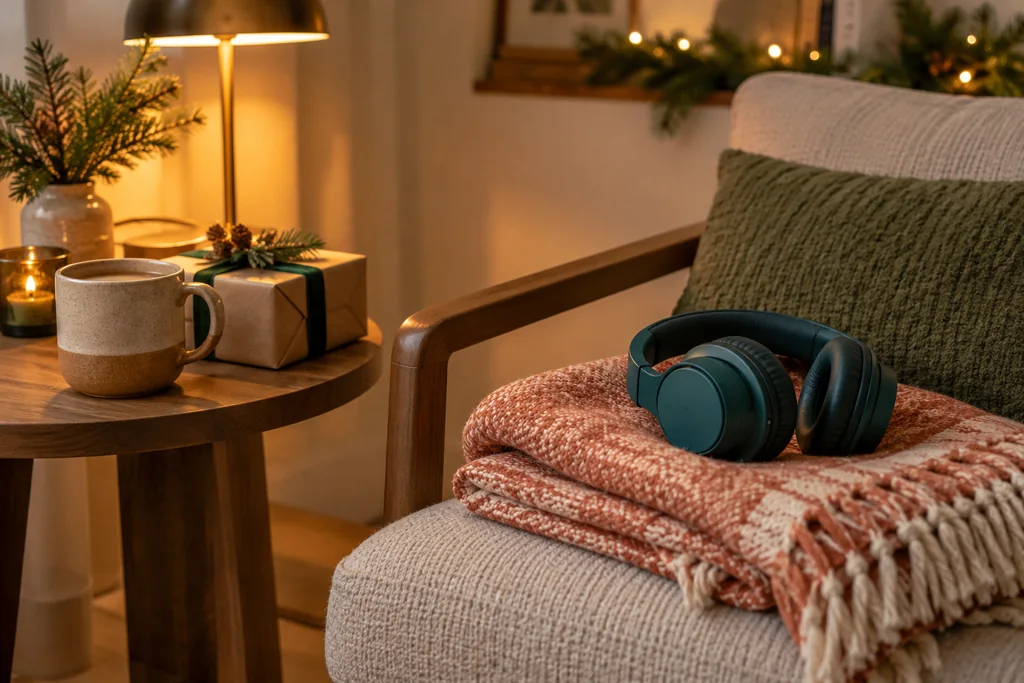
1. Noise-softening earplugs or headphones
For someone who finds restaurants, offices, public transport, or family gatherings loud, less noise can create breathing room. Choose between earplugs that soften sound while keeping conversation audible and full noise-canceling headphones for deeper quiet.
This is a preference-heavy gift. Ask about in-ear versus over-ear, pressure, and whether they want silence or simply less sharpness. A great pair in the wrong shape will stay in a drawer.
2. A lamp with kinder light
A small dimmable lamp, sunrise light, clip-on reading light, or warm smart bulb can change a room without asking someone to redecorate it. Look for adjustable brightness and color temperature so the person can choose what works at different times of day.
This is especially thoughtful when they have already complained about a harsh ceiling light. You are not buying “therapy lighting.” You are giving them control over the room.
3. A texture-safe comfort item
A blanket, robe, hoodie, lap pad, or pillow can be lovely when you know the texture they like. Soft is not one universal sensation: fleece, velvet, jersey, sherpa, linen, and brushed cotton all feel completely different.
Check the object they already use until it is practically part of the furniture. Match that texture, washing preference, and weight instead of choosing whatever looks coziest online.
4. A familiar-food box made for them
There is something deeply kind about receiving food you already know you like. Build a small box with favorite snacks, drinks, instant meals, sauces, or comfort ingredients. It can be playful, practical, or both.
The personal part is the curation. Choose their actual favorites, leave experimental flavors out unless they enjoy surprises, and avoid turning the box into a nutrition lesson.

5. Eat Different, a cookbook that leaves room for the person eating
I created Eat Different for neurodivergent adults who want good food without pretending every day has the same energy, attention, or sensory bandwidth. It contains 60 colorful recipes, with active and total times, tools, easier options, sensory swaps, and ways to browse by how much cooking feels possible.
It is a good gift for someone who likes cookbooks but gets stuck at “What should I make?” It includes familiar plates, quick meals, comfort food, desserts, and a little room to explore. The goal is not to train someone out of their preferences. It is to offer more ways into a meal.
The square paperback, landscape hardcover, and digital edition contain the same 60 recipes in different formats. You can also read why I made it and look at real pages before choosing a copy.

6. A visual timer that does one job well
A timer that shows time passing can make cooking, getting ready, work sprints, and transitions feel more concrete. Choose one with a clear face, simple controls, and an alarm the recipient will not hate.
It works best when the person already wants a timer. Wrap it as a useful object, not a message about lateness.
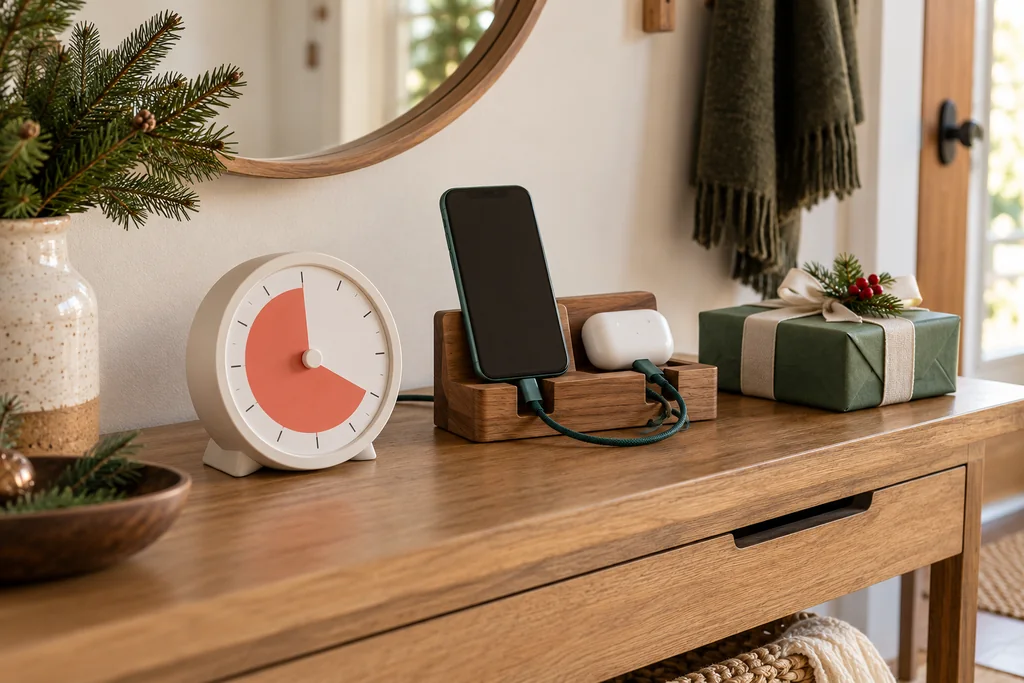
7. A charging station that is ready on day one
A charging station can remove the nightly hunt for cables, but the gift is only helpful if it arrives ready to use. Include the correct cables, label them if that helps, and make sure it fits the devices they actually own.
The difference between “Here is a gadget” and “I set this up for the things you use every day” is enormous.
8. A meal-delivery, grocery, or favorite-restaurant gift
Some weeks, the kindest meal is one that does not require planning, shopping, cooking, or washing a pan. A grocery-delivery credit, restaurant card, or a few prepared meals can give someone back a decision.
Pick a service they already use or a restaurant where they know what they like. Convenience is not a lesser gift. Sometimes it is exactly the luxury.
9. A low-mess creative kit
Choose one satisfying activity with almost no setup: a good sketchbook and favorite pen, an embroidery kit with the pattern already transferred, a compact watercolor set, air-dry clay, a miniature build, or a puzzle that matches a special interest.
The useful test is whether they can open the box and begin. A giant assortment can look generous while quietly creating forty new decisions.

10. A special-interest upgrade
Special interests make gift buying easier when you pay attention to the level of detail. A generic dinosaur mug may miss; a beautifully illustrated book about the exact prehistoric period they keep mentioning may be perfect.
Look for an upgrade to something they already enjoy: an archival edition, a better tool, a missing part of a collection, a museum membership, or a handmade object from the world they love.
11. A quiet experience with a clear plan
Experiences can be wonderful when they do not arrive as a mysterious future obligation. Think an off-peak museum visit, a weekday matinee, a quiet aquarium morning, a botanical garden, a pottery session, or lunch at a familiar place.
Include the date options, transport plan, likely duration, and an easy way to change the plan. Anticipation is much nicer when the practical questions are already answered.
12. An audiobook or ebook membership
For someone who loves books but struggles to sit down with one format, an audiobook or ebook credit offers choice without adding physical clutter. It also works well for people who listen while walking, cleaning, commuting, crafting, or playing a familiar game.
If subscriptions become background pressure, give a fixed number of credits instead of an open-ended commitment.

13. A body-doubling session for something they already want to do
Body doubling simply means being present while another person begins or finishes a task. The gift could be an afternoon together to hang pictures, sort a craft shelf, start a portfolio, wrap presents, or batch-cook a few familiar meals.
This is not an ambush cleaning session. Offer a specific block of help and let them choose the task—or choose rest and company instead.
14. One practical friction-remover
A duplicate phone charger for the sofa, a tracker for keys, a small basket where mail naturally lands, slip-on shoes, a countertop bin, or a second set of an often-forgotten item can be surprisingly luxurious.
The trick is noticing the friction before buying the solution. Good practical gifts feel like recognition, not correction.
15. A subscription with an easy exit
A tea, coffee, stationery, comic, snack, flower, game, or art subscription can create a small point of delight. Keep the run short—three months is plenty—and choose one that is simple to pause or cancel.
A subscription should deliver joy, not become an administrative heirloom.
16. A choose-your-own day
Make a small menu of possibilities: favorite breakfast, bookstore, quiet walk, movie at home, craft time, takeaway, or no plan at all. Let the person choose the order and how much company they want.
This works especially well when the holidays themselves are busy. It gives them one day where pleasure does not have to compete with performance.
17. Money or a gift card, given without apology
Money is not an unthoughtful gift when choice is the point. It lets someone buy the precise headphones, hobby tool, fabric texture, game, food, or book they want without performing gratitude for a near miss.
Make it personal with a note: “For the thing you keep almost buying,” “For a quiet afternoon,” or “For whatever would make January nicer.” Choice can be the gift.
What to avoid
Skip gifts that imply the person should become more organized, less sensitive, more social, or easier to feed—unless they specifically asked for that item. Be careful with strong scents, surprise textures, complicated setup, and experiences with no clear schedule.
And do not assume every neurodivergent person wants a gift about neurodivergence. A beautifully chosen novel, game, kitchen tool, lipstick, plant, record, or absurdly specific collectible may be exactly right.
The simplest rule
Give the person more of something they already love, less of something that drains them, or an easier way into something they genuinely want.
Frequently asked questions
What is a good Christmas gift for a neurodivergent adult?
A good gift reflects the person rather than the diagnosis. Start with something they already enjoy, a sensory preference you know, or one small part of daily life they would genuinely like to make easier.
What gifts are helpful for adults with ADHD?
Useful ADHD-friendly gifts often reduce setup or decision-making: a visual timer, a prepared meal, a ready-to-use charging station, an audiobook membership, or help completing a task the person already wants to finish.
What are good sensory-friendly gifts for autistic adults?
Good options can include noise-softening earplugs, adjustable lighting, a comfort item in a texture the person already likes, familiar foods, or a quiet experience. Sensory preferences are individual, so known preferences matter more than the label on the product.
Is a cookbook a good gift for a neurodivergent adult?
It can be when the person enjoys food or wants less friction around choosing meals. Look for clear steps, realistic preparation, sensory information, familiar options, and ways to choose recipes by available energy.