Neurodivergent Safe Foods: What They Are, Why They Change, and Examples
Yesterday the pasta was fine. Today the smell is too much, the sauce feels wrong, and the meal you counted on is suddenly off the table. When a familiar food stops feeling manageable, the disruption can be much bigger than “I don't feel like eating that tonight.”
The quick answer
A safe food is a food someone feels comfortable eating because the experience is familiar, predictable or manageable. The important part might be the texture, flavor, smell, temperature, brand or way it is served. What feels safe is personal, and it can change.
Here, “safe” describes the eating experience. It does not mean allergen-free, suitable for every dietary need or safe to eat after it has spoiled.
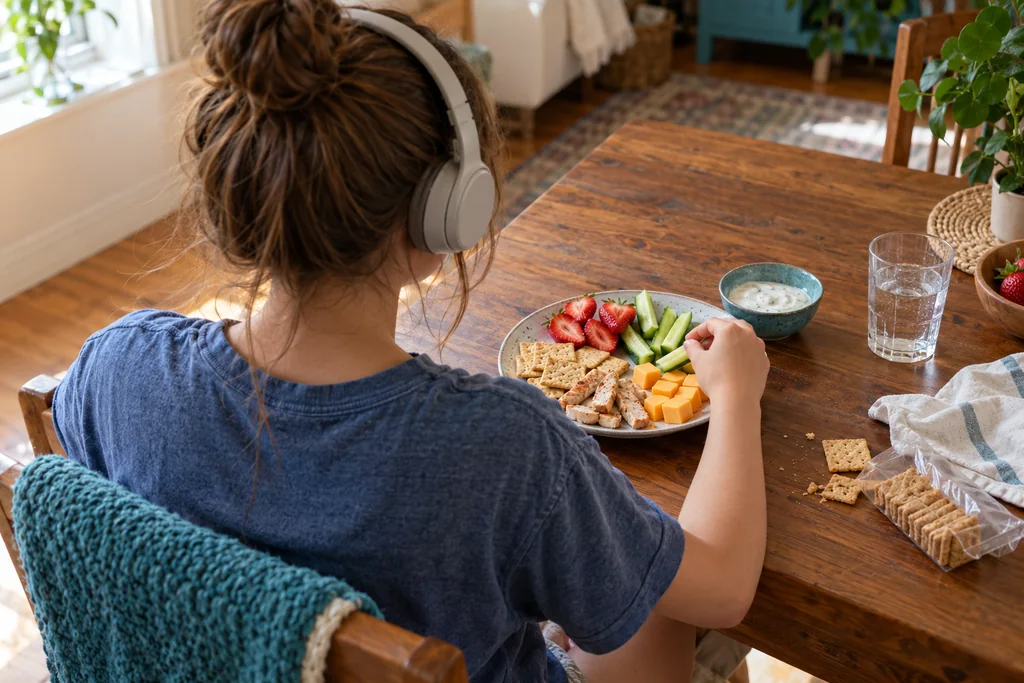
What makes a food feel safe?
Often, it is knowing what is coming. The same crackers have the same crunch. A particular yogurt has no unexpected pieces. Toast comes out the way you like it. You can make the usual bowl of noodles without negotiating every ingredient.
Some autistic people and other neurodivergent people use the phrase to describe foods they can reliably manage. It is an everyday description, not a diagnosis or a food group.
The British Dietetic Association describes how predictable foods, particular brands, textures and presentation can matter to autistic people. A packaged food may offer more consistency than produce that changes in ripeness or texture.
That is why “but you like potatoes” may miss the point. A crisp roast potato, a lumpy mash and a lukewarm boiled potato are three very different things to eat.
Examples of safe foods—and what might matter about them
The foods below are examples to help describe preferences. None is a guaranteed safe food. The useful question is what works about it for this person?
On a smaller screen, scroll sideways through the table to read every column.
| What someone may want | Examples | The detail that can matter |
|---|---|---|
| A predictable crunch | Crackers, crisp toast, pretzels or a particular cereal | The brand, freshness, thickness or level of toasting |
| Smooth and even | Smooth yogurt, a familiar soup, mashed potato or porridge | No unexpected lumps, skins or pieces; the preferred thickness |
| Mild and familiar | Buttered pasta, plain rice, a usual sandwich or a familiar chicken nugget | The pasta shape, seasoning, bread or coating |
| A strong, known flavor | A favorite spicy noodle dish, pickles, olives or a sour snack | A flavor that feels satisfying and reliably familiar |
| Separate parts | A snack plate, rice with toppings alongside, or pasta with sauce in a little dish | Control over what touches, how much is added and when |
Safe foods are not always beige or bland. NHS sensory guidance describes both sensitivity to strong tastes and enjoyment of intense flavors. Someone else's “too spicy” can be your familiar, dependable dinner.
Why can a safe food stop feeling safe?
A familiar food is not a permanent contract. Sometimes the food changes. Sometimes the person or the situation changes. Sometimes it takes a while to work out what happened.
The food is a little different
A new recipe, a different brand, a softer batch, extra seasoning or a change in packaging may make the usual choice feel unfamiliar. So can serving it differently: food that has cooled down, sauce already mixed in, or a texture that comes out differently after reheating.
The National Autistic Society's eating guidance specifically discusses changes in brands, packaging, cooking and presentation. Small details can be part of the experience, even when someone else barely notices them.
The same meal meets a different day
Sensory needs can change from day to day and over time, as Leicestershire Partnership NHS Trust explains. A smell or texture may feel manageable one day and harder another day.
It is also worth looking at the setting. Is the room noisy? Is there a strong cooking smell? Are you eating somewhere unfamiliar? A meal is more than the ingredients on the plate.
Something feels uncomfortable—or the appeal is gone
Pain, nausea or other physical discomfort can change the experience of eating. A new difficulty deserves attention, especially if eating hurts.
Other times, you may simply describe it as “That doesn't sound good to me anymore.” You might want a break, a different preparation or something else entirely. You do not have to produce a perfect explanation before choosing another meal.
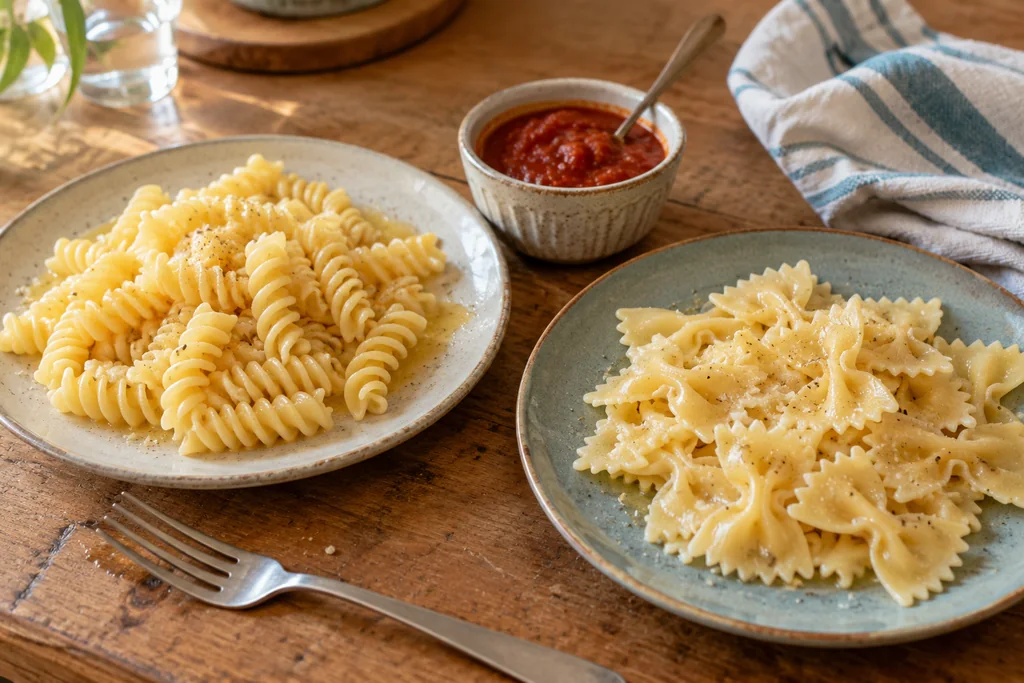
What can help when your usual food is suddenly a no?
Start with the immediate question: what feels manageable to eat now? A hard meal does not need to become a project about changing your whole diet.
Keep a familiar fallback, when you can
A backup meal can be very ordinary: the toast you usually like, a known snack plate or something else already on your own list. It does not have to look like the meal you originally planned.
Describe the detail, not just the dish
“Pasta” is a broad instruction. “This shape, cooked this way, sauce separate” tells someone much more. A short note in your phone can be useful when shopping, sharing a kitchen or asking for help.
For example: “Toast: this bread, lightly toasted, butter after. No seeds. Cut in rectangles.” That is a practical description of what works, not a test anyone has to pass.
Keep choices separate
If sauce mixed through the whole plate makes it difficult, a separate bowl leaves you in control. If you want to try a different ingredient, it can stay on its own dish. The familiar part does not need a surprise hidden inside it.
Let curiosity be optional
You can be curious about another flavor and still want your familiar food available. You can also decide today is not the day. An optional change should stay optional, including after someone has gone to the effort of offering it.
If you're cooking for someone else
“What would work for you?” is a more useful opening than “But you ate this last week.” Ask about brands, textures and preparation before making substitutions. Be straightforward about what is in the food.
A preference changing does not make the earlier preference untrue. Listen to the answer you are getting now, and let the person have a say in what happens next.
When it is worth getting support
Having familiar foods does not by itself mean you have an eating disorder. If your available foods are shrinking, eating causes significant distress, or you are struggling to get enough food or fluid, talk with a doctor or registered dietitian who understands sensory eating difficulties.
Avoidant/restrictive food intake disorder (ARFID) can involve restriction related to sensory experiences, fear around eating or low interest in food. It can affect people at any weight. Assessment can help explain what support fits; you do not need to wait for visible weight changes to raise a concern.
In the US, the National Alliance for Eating Disorders offers a free, confidential helpline staffed by licensed therapists who can help you find treatment and referrals.
A little more room on the page
Energy, sensory choices and familiar foods shaped Eat Different, my cookbook for neurodivergent adults. The recipes include easier options and sensory swaps, with actual pages available to look through before choosing a copy.
If you want to see whether the approach feels useful, download the free recipe sampler. No signup is needed.